Interior Selective Demolition In Detroit MI
Interior selective demolition in Detroit, MI, is reshaping the landscape of city renewal. This technique permits for the cautious removal of non-structural components, protecting the personality of historical buildings. It promotes and uses economic benefits sustainability through material reuse. A number of successful projects show its capacity. However, the ramifications of this technique extend beyond simple aesthetic appeals. Understanding the broader impact on the community and atmosphere elevates important questions for Detroit's future.
The Advantages of Interior Selective Demolition
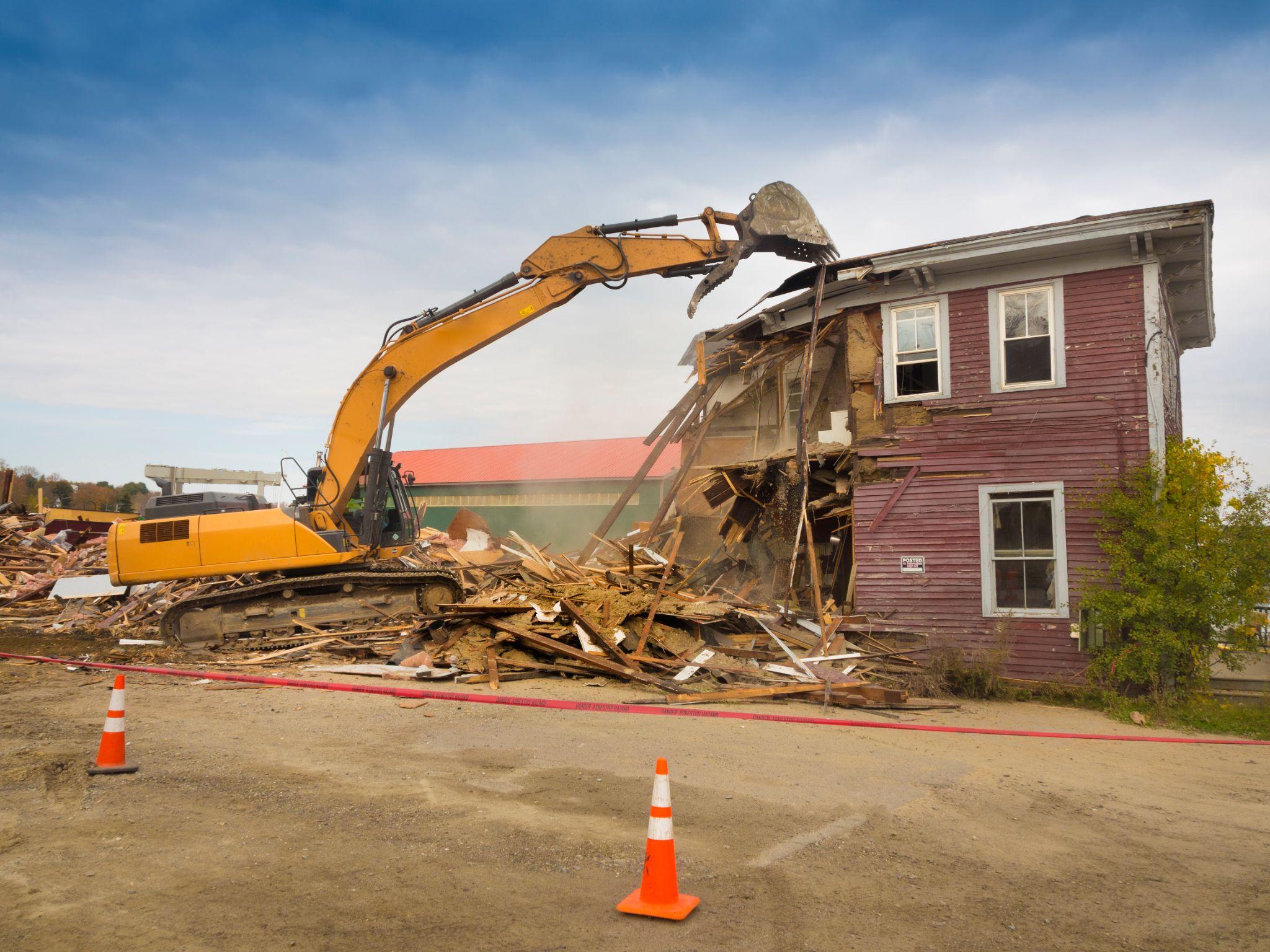
Interior selective demolition provides numerous benefits for home proprietors and designers in Detroit, MI. This process enables for specific elimination of non-structural elements, such as wall surfaces, fixtures, and floor covering, without endangering the stability of the overall structure. By targeting just the areas that require improvement, homeowner can conserve time and decrease prices related to complete demolition.
Additionally, selective demolition advertises sustainability by enabling the salvage and recycling of products, thereby lessening waste. This environmentally mindful strategy aligns with the expanding trend of eco-friendly building and construction practices. Selective demolition can promote quicker project timelines, as it normally entails much less disruption to surrounding areas contrasted to substantial demolition initiatives.
Ultimately, the tactical application of indoor selective demolition improves the performance of improvement projects, resulting in improved performance and aesthetic charm for existing homes in Detroit's advancing metropolitan landscape. (demolition contractor map listing detroit)
Key Factors To Consider for Selective Demolition Projects
When intending a discerning demolition task, numerous essential considerations should be addressed to ensure its success. To start with, thorough assessments of the existing framework are vital to recognize products that need removal and those that must be maintained. Recognizing regulative demands, including licenses and safety codes, is fundamental to make certain conformity and prevent legal complications.
In addition, creating a thorough strategy that details the range of work, timelines, and spending plan is important for efficient project management. Engaging seasoned experts can mitigate threats related to unsafe products, such as asbestos or lead.

The Process of Selective Demolition Clarified
Selective demolition entails an organized technique that focuses on the cautious elimination of details architectural aspects while preserving the honesty of the surrounding setting. The process starts with an extensive assessment of the site, recognizing which elements need to be removed and which must be kept. Following this evaluation, a comprehensive demolition plan is created, detailing safety measures and waste monitoring methods.
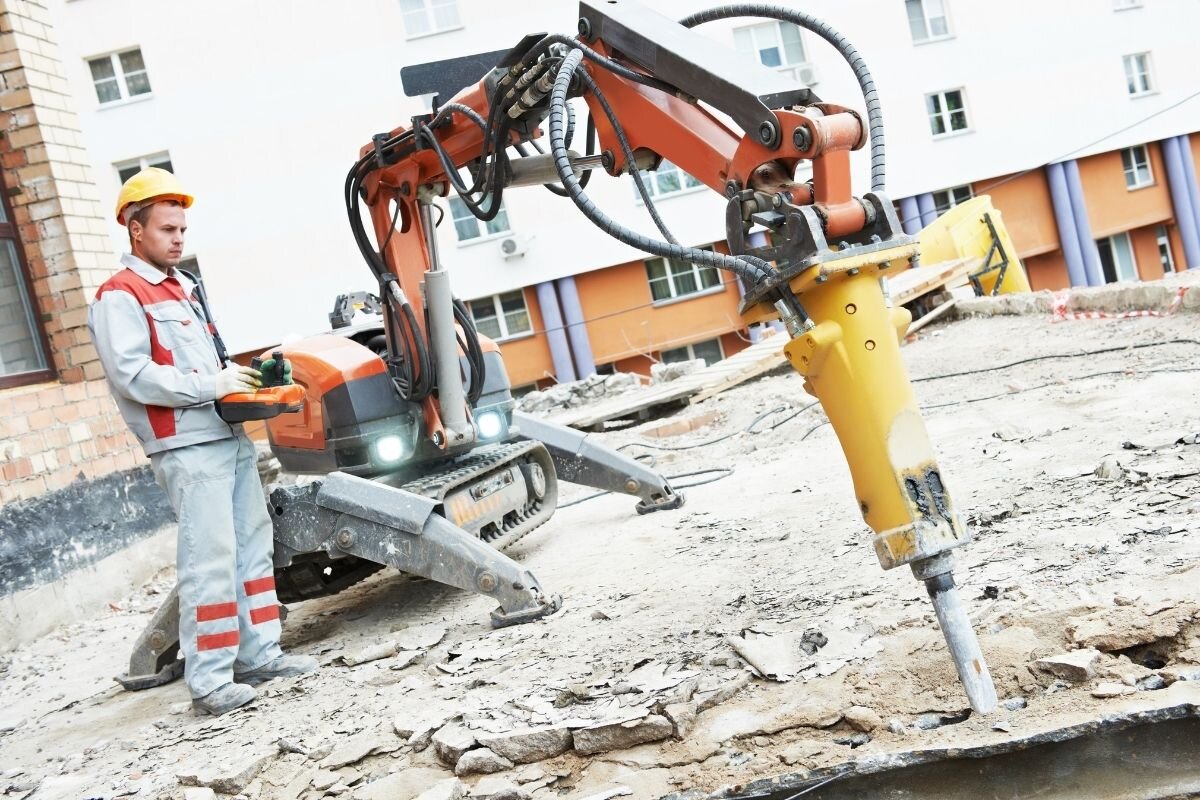
As soon as the strategy is in area, the demolition team prepares the website by ensuring and safeguarding required authorizations that energies are disconnected. The real demolition process uses specialized methods and tools to take down targeted structures, such as wall surfaces, ceilings, and fixtures, minimizing waste and noise. Throughout the procedure, careful surveillance is conducted to attend to any unpredicted challenges. check my source Lastly, the site is cleansed up, with recyclable products sorted and contaminated materials gotten rid of suitably, guaranteeing that the surrounding setting remains risk-free and uninterrupted for future usage.
Case Studies: Effective Tasks in Detroit
Effective projects in Detroit highlight the performance of selective demolition in renewing urban areas. One remarkable case involved the makeover of a previous commercial site into a lively mixed-use advancement. Selective demolition enabled the careful removal of dangerous materials while protecting architectural components, making it possible for the integration of modern amenities with historical architecture.
Another task featured the repurposing of an old storage facility into a neighborhood these details arts center. The selective technique assisted in the extraction of non-essential interiors, creating open spaces ideal for artistic endeavors while keeping the structure's personality.
Furthermore, a domestic conversion showcased how selective demolition could adjust out-of-date structures for modern living. By getting rid of indoor dividers and outdated systems, the task took a breath brand-new life into the building, cultivating and drawing in new locals community involvement.
These examples illustrate just how selective demolition not only boosts security and efficiency but additionally contributes to Detroit's recurring city renewal initiatives.
The Future of Selective Demolition in Urban Rejuvenation
A boosting variety of city planners and designers are acknowledging the possibility of selective demolition as a key technique for renewing cities. This approach allows for the cautious elimination of details indoor elements, enabling the preservation of historically considerable frameworks while including modern-day usages. As cities like Detroit face maturing infrastructure and a need for sustainable advancement, selective demolition uses a sensible solution to repurpose existing structures.
The future of selective demolition copyrights on its assimilation with lasting techniques. By recycling products and minimizing waste, cities can lower their ecological impact while promoting financial growth (legendary demolition detroit). In addition, this approach advertises neighborhood interaction, as local stakeholders usually take part in the decision-making process pertaining to which frameworks to preserve or customize. As city revitalization efforts gain energy, selective demolition is most likely to play a significantly essential duty in forming the landscapes of tomorrow's cities, blending background with innovation
Often Asked Questions
What Permits Are Required for Interior Selective Demolition in Detroit?
A demolition permit is usually required, along with any kind of needed environmental permits, specifically if harmful materials exist. In addition, compliance with local building ordinance and policies is necessary Visit Website for risk-free and legal demolition methods.
The length of time Does an Average Selective Demolition Task Take?
An average selective demolition job generally takes between one to 3 weeks, relying on the job's dimension, intricacy, and the level of the job needed. Elements such as website conditions and allowing might also affect the timeline.
Exist Particular Security Rules for Selective Demolition?
What Sorts Of Products Can Be Salvaged During Demolition?
Various products can be restored during demolition, consisting of wood, metal, components, blocks, and concrete. Recyclable items boost sustainability by minimizing waste, while offering opportunities for repurposing and recycling in brand-new building and construction or renovation projects.
Just How Much Does Interior Selective Demolition Normally Expense?
Typically, interior selective demolition prices vary from $2 to $10 per square foot, relying on factors such as task intricacy, material kinds, and local labor prices, influencing overall costs for both industrial and property buildings.
Interior selective demolition in Detroit, MI, is improving the landscape of urban revival. Interior selective demolition offers many advantages for building owners and designers in Detroit, MI. When planning a selective demolition job, several vital considerations need to be addressed to ensure its success. Effective projects in Detroit highlight the effectiveness of selective demolition in renewing metropolitan spaces. An average selective demolition project usually takes in between one to 3 weeks, depending on the project's size, intricacy, and the extent of the work required.